What to Eat Before a Youth Soccer Game
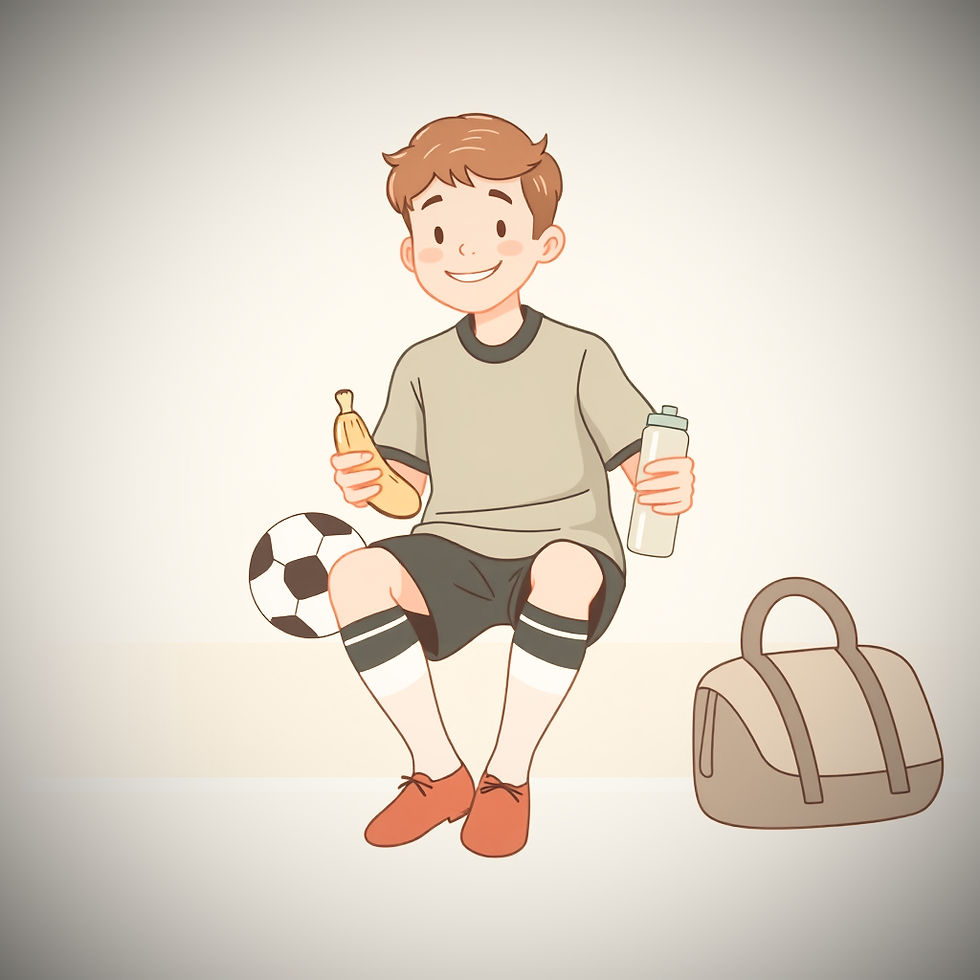
Soccer starts long before the whistle blows.
A good night's sleep, arriving on time, packing your bag—and eating something that gives your child energy to play.
Parents often ask, "What should my child eat before a soccer game?"
The good news is that it doesn't have to be complicated.
Children don't need expensive supplements, energy drinks, or a perfect nutrition plan. They need foods that give them steady energy, are easy to digest, and help them enjoy the game.
At Team Tisell, we believe food should support soccer—not become another source of pressure.
A positive game day starts with more than nutrition. The way we show up as parents also shapes our children's experience. Learn more in Why the Sideline Sets the Tone.
The Goal Isn't a Perfect Meal
The goal isn't to create the perfect athlete.
The goal is to help your child step onto the field feeling energized, comfortable, and ready to play.
Every child is different.
Some children like a full meal a few hours before kickoff.
Others prefer something lighter.
Pay attention to what works for your child rather than copying someone else's routine.
Just like nutrition, every child's development looks different. If your child is going through a season with less playing time, understanding why can help keep the focus on long-term growth. Read Why Playing Time Changes in Youth Soccer (And What It Means).
Eat 2–3 Hours Before Kickoff
If possible, serve a balanced meal about 2–3 hours before the game.
Think simple.
Examples include:
Turkey or chicken sandwich
Pasta with a light sauce
Rice with grilled chicken
Oatmeal with fruit
Yogurt with granola and berries
The meal doesn't need to be large.
It just needs to provide enough energy without leaving your child feeling overly full.
Bananas: One of the Best Pregame Snacks
If there is one snack we recommend keeping simple, it's the banana.
Bananas are:
🍌 Easy to digest
🍌 Naturally rich in carbohydrates for energy
🍌 A good source of potassium
🍌 Convenient to pack for tournaments and away games
🍌 Loved by most kids
If your child gets hungry about 30–60 minutes before kickoff, a banana is often one of the easiest and most reliable choices.
Sometimes the simplest foods are the best.
Other Good Pregame Snacks
If the game is approaching and your child needs something small, consider:
Apple slices
Grapes
Orange slices
Crackers
Pretzels
Applesauce pouch
Yogurt
Whole grain toast
A small granola bar
Keep snacks familiar.
Game day is not the best time to experiment with new foods.
Don't Forget Water
Hydration starts long before the game begins.
Encourage your child to drink water throughout the day instead of trying to catch up just before kickoff.
For most youth soccer games, water is all children need.
Sports drinks are generally unnecessary unless your child is participating in prolonged, intense activity or multiple matches over many hours. Water is usually enough for typical youth soccer games.
Foods to Avoid Right Before a Game
Every child is different, but many players feel better avoiding large amounts of:
Fried foods
Fast food
Heavy desserts
Candy
Sugary sodas
These foods can leave children feeling sluggish or uncomfortable during the game.
Simple usually wins.
Keep Game Day Fun
Food shouldn't become another source of stress.
Your child doesn't need the "perfect" pregame meal.
They need enough fuel to run, learn, compete, and have fun.
Some weekends everything goes according to plan.
Other weekends breakfast happens in the car on the way to the field.
That's okay.
Consistency over time matters far more than one meal.
Creating a positive game day isn't only about food. The words children hear before, during, and after the game matter just as much. Read Cheering vs Coaching in Youth Soccer: What Parents Should Say for practical ways to encourage without adding pressure.
Soccer Is About More Than Nutrition
At Team Tisell, we believe healthy development comes from many small habits working together.
A balanced meal.
A full water bottle.
A supportive ride to the field.
Encouragement instead of pressure.
Those everyday habits are exactly what help build confident young athletes. We share more examples in Raising an Independent Athlete Is a Pattern.
And the freedom to simply enjoy playing the game.
Those small moments are what children remember.
Healthy habits, supportive sidelines, and respectful communication all work together. If you're looking for more practical ideas, read Youth Soccer Parent Behavior: What Actually Helps.
Ready to Support Your Young Athlete?
Helping children thrive in soccer goes beyond nutrition.
Download our Sideline & Coach Boundary Guide to learn how calm, supportive parenting helps children become confident and independent athletes—on and off the field.
Coming next: We'll also share What to Pack for a Youth Soccer Tournament, including simple snacks, hydration ideas, and game-day essentials for busy soccer families.


Comments